

From Jyväskylä to Québec and beyond – how a small scientific gathering grew into the global stage for soldier performance research
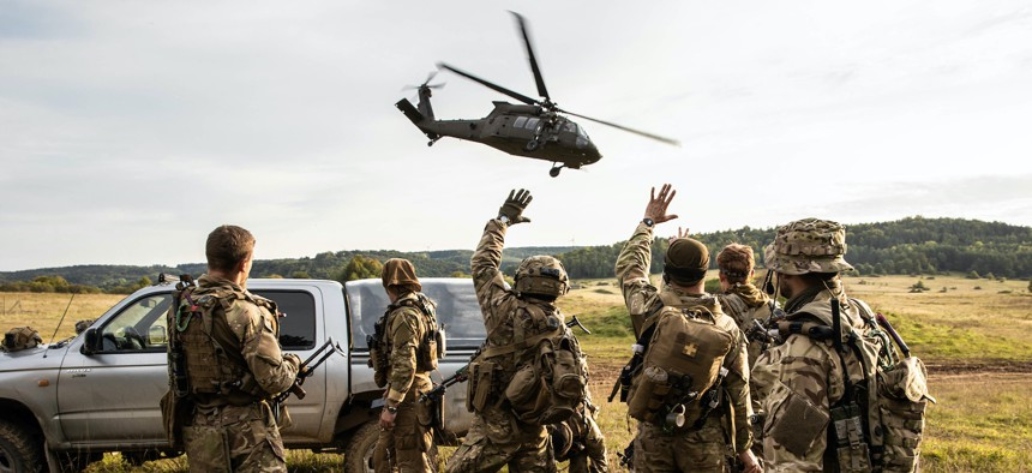
The International Congress on Soldiers’ Physical Performance (ICSPP) is a global scientific meeting dedicated to improving soldiers’ health, fitness, and resilience through evidence-based research and collaboration.
When people talk about “soldier performance,” most think about weapons or gear. But the International Congress on Soldiers’ Physical Performance (ICSPP) started from another idea – the human being comes first.
ICSPP was created to study the physical and mental limits of soldiers in a scientific way. It focuses on health, fitness, resilience, and recovery. Every lecture, poster, and hallway conversation explores one question: how do we help soldiers perform better, recover faster, and stay ready for longer?
In the early 2000s, many defence conferences were technology-driven. ICSPP took a different path by focusing on the body and mind that power those technologies. It connects lab discoveries to field practice.
As one researcher from the U.S. Army Research Institute said,
“The best equipment in the world can’t help a soldier who’s exhausted or injured.”
That quote captures the heart of ICSPP – data meets reality, and science meets experience.
Who Organizes and Attends ICSPP
The congress is a joint effort between leading defence and academic institutions. Each host nation brings its own strengths, but the goal stays the same: share knowledge that improves real military readiness.
Common partners and contributors include:
- U.S. Army Research Institute of Environmental Medicine (USARIEM)
- Defence Research and Development Canada (DRDC)
- Australian Defence Force Human Performance Centres
- Finnish Defence Forces Research Institute
- University of Portsmouth and Bond University
Attendees range from researchers and military doctors to trainers and policy planners. You’ll often find a biomechanics expert sitting beside a special operations medic, both taking notes on the same session about fatigue management.
The congress has a collaborative tone. Participants present findings, debate methods, and share early results that can save time and lives in the field. Over time, ICSPP became less of a one-time meeting and more of a growing professional community.
From Finland to Canada – Six Chapters of Growth
Each ICSPP has added something new to the global understanding of soldier performance. Together, these meetings trace a timeline of innovation and cooperation.
2005 – Jyväskylä, Finland
The first congress was small but ambitious. Hosted by Finnish Defence Forces and local universities, it established soldier performance as a standalone research discipline. The focus: connecting sports science to operational training.
2011 – Jyväskylä, Finland (2nd ICSPP)
Six years later, the second meeting deepened the discussion on recovery, resilience, and adaptation under stress. The sessions reflected lessons learned from long deployments in harsh environments.
2014 – Boston, USA (3rd ICSPP)
Under the theme “Translating State-of-the-Science Soldier Research for Operational Utility,” Boston tripled attendance. Researchers from 27 countries filled the halls. It was here that ICSPP began framing the soldier as the core system in warfare, not just a cog in the machine.
2017 – Melbourne, Australia (4th ICSPP)
Australia brought a southern-hemisphere perspective. The focus shifted to environmental extremes, injury prevention, and climate adaptation fitting for a country that trains in desert and tropical conditions alike.
2020 – Québec City, Canada (5th ICSPP)
Quebec hosted the biggest ICSPP yet, attracting hundreds of delegates and over 200 oral and poster sessions. Topics ranged from winter warfare performance to gender integration and data-driven training systems. Supported by the Canadian Armed Forces and Personnel Support Programs, the event also reflected a distinctly Canadian focus on inclusivity and innovation.
“The success of this event was due to the collective effort of many… the scientific exchange and dialogue established strategic partnerships and will set research directions for years to come.”
— Patrick Gagnon, Chair of the 5th ICSPP Organizing Committee (Québec, 2020)
2023 – United Kingdom (6th ICSPP)
The UK congress looked forward: hybrid warfare, AI-supported tracking, and resilience under digital stress. It continued the legacy of open scientific exchange while adapting to a new operational reality – soldiers who must be both physically sharp and cognitively agile.
Other Side of Readiness: Mental Recovery and Balance
Even the best physical conditioning means little without mental recovery. One of ICSPP’s recurring themes across the years has been resilience under stress – how soldiers think, rest, and decompress after intense training or deployment.
Modern research shared at the congress shows that downtime, social connection, and healthy routines are just as critical to performance as push-ups or endurance drills. Sleep, mindfulness, and recreational breaks all protect cognitive clarity and emotional balance.
As one Canadian military psychologist said at the 2020 event,
“Readiness doesn’t stop when you clock out. It’s also what you do when the uniform comes off.”
Rest, Gambling, and Modern Ways to Unwind
When soldiers return from the field, they often look for low-stress ways to reconnect and relax. For some, that might be watching sports or online gaming. For others, it’s the digital version of classic leisure, playing online casino games for fun, not income.
Across Canada and other allied countries, regulated online casinos now include responsible gaming features such as self-exclusion tools, time limits, and activity reminders. These features echo the same self-management principles promoted in military resilience training: knowing when to pause, monitor, and reset.
When players step into real money online casino Canada options, even a basic look at how payout rates and long-term return systems are explained can make play feel more grounded – focused on understanding, not impulse. What do these percentages actually mean over time? Why do two similar games feel so different in results? Pages like this break down those questions in plain terms, helping players see the mechanics behind the experience rather than guessing or relying on luck alone.
Many veterans’ wellness programs today use light gaming and digital recreation as safe, social ways to ease stress and stay mentally active. The point isn’t gambling for gain – it’s giving the mind a different kind of challenge, one that can be started and stopped on personal terms.
“Responsible gaming isn’t about saying no to play – it’s about knowing when to pause.”
— Responsible Gambling Council, Canada
This connection between recreation, regulation, and recovery is part of a broader discussion about well-being – one that ICSPP helped start within the defence community years ago.
What Makes ICSPP Different
Many scientific meetings discuss theories. ICSPP is built around real outcomes that can be tested in the field. Every study presented must have potential for practical use.
Sessions often focus on:
- Injury prevention and recovery systems
- Load-carriage testing
- Cognitive fatigue and decision-making under stress
- Cold-weather and heat-injury management
- Nutrition and hydration in extreme environments
One team from Canada reported in 2020 that wearable sensors lowered injury rates by almost 20 percent during Arctic training. Another, from Australia, described how new heat-acclimation routines reduced collapse incidents in desert deployments.
ICSPP combines sports-science innovation with military precision. Many of its findings eventually influence policy, from how troops sleep during long missions to how rucksacks are designed.
Is ICSPP Still Active Today?
As of 2025, ICSPP continues to be recognized as the main international meeting dedicated to soldier physical performance. The next host has not been officially confirmed, but discussions are active among partner nations.
Institutions like USARIEM, DRDC, and the University of Portsmouth still collaborate under research themes that grew out of past congress sessions. The digital archives from Quebec 2020 remain a valuable open-access resource for scientists and trainers worldwide.
A DRDC researcher once described it this way:
“ICSPP is the crossroads where science meets the field. We leave with data, but also with ideas we can use next week in training.”
That balance between research and readiness explains why the congress remains so influential.
Other Major Military Human-Performance Conferences
ICSPP sits at the top of its field, but it’s part of a wider ecosystem of defence research events that focus on the human dimension of military work.
Military Health System Research Symposium (MHSRS) – USA
Hosted by the U.S. Department of Defense, MHSRS is the largest military medical research meeting in the world. The 2025 symposium in Florida welcomed more than 3,700 participants. Key themes included combat casualty care, rehabilitative medicine, and military operational health.
While MHSRS leans more toward clinical topics, it often complements ICSPP by turning performance findings into medical protocols.
CISM International Symposium – Abu Dhabi 2025
Organized by the International Military Sports Council (CISM) under the patronage of the UAE Ministry of Defence, the event focused on “Physical Readiness and Resilience in the Armed Forces.”
It united representatives from 140 countries and explored how physical training and sport contribute to resilience and team cohesion.
International Conference on Military Studies (ICOMST)
Held in rotating locations across Europe and Asia, ICOMST examines leadership, education, and ethics within defence institutions. Though smaller in scope, it provides a valuable academic complement to ICSPP’s applied science.
Related Sources
- Military Health System Research Symposium (MHSRS 2025)
- CISM International Symposium 2025 – Abu Dhabi
- Defence Research and Development Canada – Human Performance Program
- International Conference on Military Studies (ICOMST-25)